
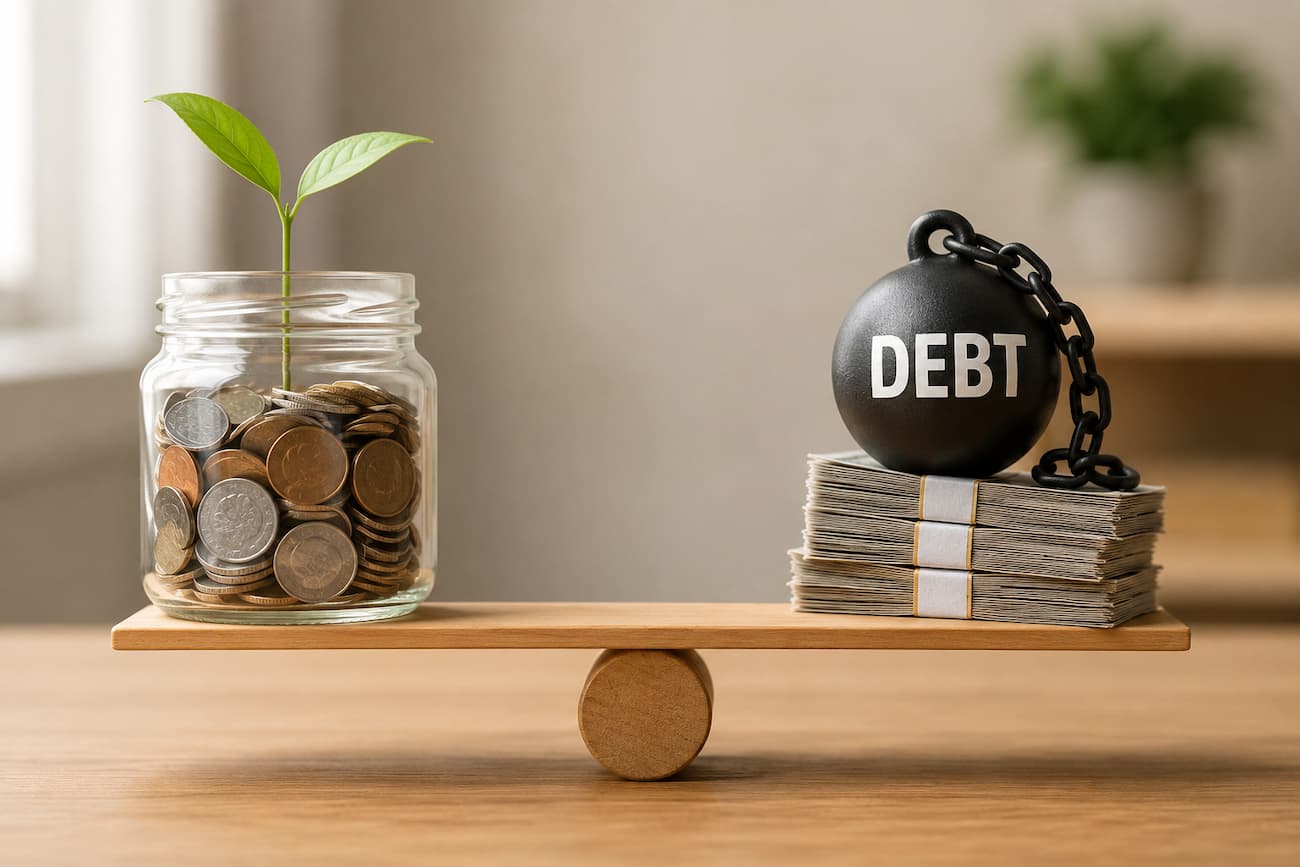
Managing debt often feels like a full-time responsibility. Many people assume they must eliminate their debt before thinking about savings, but that approach can create financial stress when unexpected expenses appear. Building savings while paying off debt is possible with careful planning and consistent habits. Even small steps can create a stronger financial foundation and help avoid taking on more debt in the future.
Understanding Why Savings and Debt Repayment Should Work Together
Paying off debt is important, but focusing only on monthly payments can leave a person vulnerable to emergencies. A sudden car repair, medical expense, or household problem can force someone to rely on credit cards again, creating a cycle that becomes difficult to break.
Maintaining a balance between debt reduction and savings provides stability. It allows financial progress to continue even when unexpected situations arise. Instead of viewing savings and debt repayment as competing goals, it is more useful to see them as two parts of the same financial plan.
Taking a Clear Look at Current Finances
The first step is understanding the complete financial picture. This means listing all income sources, monthly expenses, and outstanding debts. A simple overview can reveal opportunities to save money and improve cash flow.
| Financial Category | Examples |
|---|---|
| Income | Salary, freelance work, side income |
| Essential Expenses | Housing, groceries, utilities, transportation |
| Debt Payments | Credit cards, personal loans, student loans |
| Non-Essential Spending | Subscriptions, dining out, entertainment |
| Savings Goals | Emergency fund, future expenses |
Having a clear understanding of these categories makes it easier to identify areas where adjustments can be made.
Creating a Realistic Monthly Budget
A budget provides direction rather than restrictions. It helps ensure that every dollar has a purpose. A realistic budget should include living expenses, debt payments, and savings contributions.
For example, someone earning $3,000 per month might allocate funds in the following way:
| Category | Monthly Amount |
|---|---|
| Living Expenses | $1,700 |
| Debt Payments | $800 |
| Savings | $200 |
| Personal Spending | $300 |
Budgets do not have to be perfect. They should simply reflect actual spending patterns and priorities.
Starting with a Small Emergency Fund
Before aggressively paying off debt, building a modest emergency fund can help you feel more secure. Many financial experts suggest saving enough to cover small unexpected expenses before focusing heavily on debt reduction.
Even setting aside a small amount regularly can make a difference. Gradually building this reserve reduces the need to rely on credit when emergencies occur.
Simple Ways to Start an Emergency Fund
- Set aside a fixed amount from every paycheck.
- Save tax refunds or bonuses.
- Reduce unnecessary monthly expenses.
- Deposit spare cash into a separate account.
- Use extra income from occasional work opportunities.
Choosing an Effective Debt Repayment Strategy
Not all debts are the same. Organizing them can make repayment more manageable. Two common approaches are widely used.
| Method | Description |
|---|---|
| Debt Snowball | Pay off smaller balances first for motivation. |
| Debt Avalanche | Focus on debts with the highest interest rates. |
Both strategies can work effectively. The most important factor is maintaining consistency over time.
Reducing Unnecessary Spending
Small spending habits often go unnoticed, but they can accumulate significantly over time. Reviewing monthly expenses regularly can reveal opportunities to free up money for savings and debt repayment.
Areas Worth Reviewing
- Unused subscriptions.
- Frequent food deliveries.
- Impulse purchases.
- Premium services that are rarely used.
- Excessive entertainment spending.
Cutting expenses does not mean eliminating all enjoyment. The goal is to spend intentionally and align spending with financial priorities.
Automating Savings Contributions
Automation removes the need for constant decision-making. Scheduling automatic transfers into a savings account ensures consistent progress.
Many people find that even modest automatic contributions become significant over time. Because the transfer happens immediately, there is less temptation to spend the money elsewhere.
Using Extra Income Wisely
Unexpected income can provide a valuable opportunity to improve finances. Rather than spending the entire amount, dividing it between debt repayment and savings can accelerate progress.
Examples of extra income include:
- Annual bonuses.
- Tax refunds.
- Freelance projects.
- Part-time work.
- Selling unused household items.
Allocating these funds strategically can shorten the repayment journey while strengthening savings.
Avoiding the Trap of New Debt
One challenge many people face is adding new debt while paying off existing balances. This can slow progress and increase financial stress.
Developing healthy spending habits and relying on savings for unexpected expenses can help prevent this cycle. Careful planning and thoughtful purchases support long-term financial stability.
Tracking Progress Regularly
Monitoring financial progress helps maintain motivation. Reviewing balances and savings goals each month provides a clear picture of improvement.
A simple spreadsheet or notebook can be enough to track progress. Seeing debts decrease and savings grow can encourage continued discipline.
Adjusting Financial Goals Over Time
Financial situations change. Income may increase, expenses may shift, or priorities may evolve. Reviewing goals periodically allows adjustments that reflect current circumstances.
For example, after paying off a major debt, the amount previously used for payments can be redirected toward savings or future goals. Flexibility allows financial plans to remain practical and sustainable.
Learning from Everyday Experiences
Many households discover that building savings while paying off debt is not about making dramatic changes. Instead, it involves small decisions repeated consistently.
A family that prepares meals at home more often, limits unnecessary purchases, and sets aside a portion of each paycheck may notice steady progress over time. These habits create lasting financial benefits without requiring extreme sacrifices.
Maintaining Motivation During the Process
Debt repayment and savings growth take time. Progress may seem slow at first, but every payment and every deposit contributes to greater financial security.
Celebrating milestones can help maintain focus. Reaching a savings target or eliminating a loan balance encourages and reinforces positive habits.
Building Long-Term Financial Stability
The ultimate goal is not simply eliminating debt but creating a stronger financial future. Savings provide security, while reducing debt increases flexibility and reduces financial pressure.
Over time, consistent habits can lead to greater confidence and improved financial well-being. Even modest actions, when maintained over months and years, can produce meaningful results.
Conclusion
Building savings while paying off existing debt is a practical goal that many people can achieve. The key is to maintain balance rather than focus exclusively on one objective. Creating a budget, establishing an emergency fund, reducing unnecessary expenses, and staying consistent with debt payments all contribute to long-term financial health.
Financial progress rarely happens overnight, but steady habits can gradually transform a person’s situation. By combining savings and debt repayment strategies, individuals can create greater security and move toward a more stable future.
References and Sources
- Consumer Financial Protection Bureau (CFPB) – Budgeting and Savings Resources
- Federal Trade Commission (FTC) – Managing Debt and Credit
- Federal Reserve – Household Financial Well-Being Reports
- National Foundation for Credit Counseling (NFCC) – Debt Management Education
- MoneySmart by FDIC – Financial Education Materials
- USA.gov – Personal Finance Resources

The Interest-Story Editorial Team creates practical financial guides covering budgeting, saving, debt, credit, side income, student finance, and everyday financial planning. Our content is written to make complicated financial topics easier to understand, with information organized around real-life questions and decisions. We use reliable sources for facts that can change over time and encourage readers to verify important financial, legal, and government requirements with the appropriate official organization. Our goal is straightforward: provide useful information that helps readers understand their options and make more informed financial decisions.