

When Marcus left, he carried only one small bag. No long goodbye. No dramatic argument. Just silence, exhaustion, and the painful feeling that he could no longer continue living the way he had been. For years, he stayed in a situation that slowly drained him emotionally. At first, he believed patience would solve everything. Then he believed sacrifice would solve everything. Eventually, he realized something difficult:
Some situations do not improve simply because people continue enduring them. Walking away became the hardest decision of his life. At the same time, it became the beginning of something unexpected.
Staying Felt Safer Than Leaving
For a long time, Marcus avoided change. Not because he was happy. But because familiarity felt safer than uncertainty. His daily life had become emotionally exhausting. Still, the thought of starting over felt terrifying. This happens more often than many people realize.
People frequently remain in unhealthy jobs, relationships, or environments because predictable discomfort feels emotionally safer than unknown outcomes. Marcus convinced himself things would eventually improve. Years passed. Nothing changed.
Why Walking Away Feels So Difficult
Leaving something familiar often creates emotional conflict, even when the situation is unhealthy. There is fear of regret. Fear of loneliness. Fear of financial instability. Fear of making the wrong decision.
Psychologists often explain that uncertainty naturally increases emotional stress because the brain prefers predictability and routine.
American Psychological Association emotional wellbeing resources
Marcus experienced all of those fears at once. Even when he knew he was unhappy, leaving still felt emotionally overwhelming.
The Emotional Cost of Staying Too Long
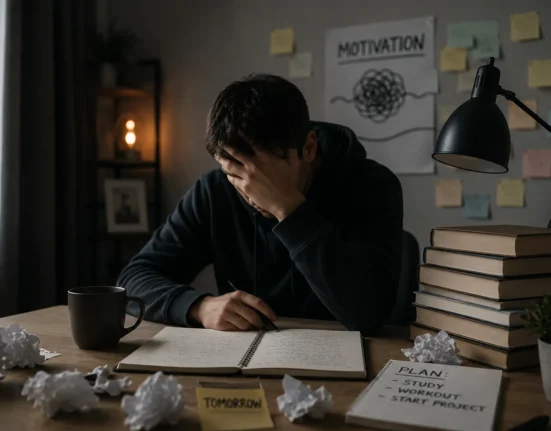
Over time, Marcus noticed changes in himself. He became emotionally tired constantly. Simple conversations felt exhausting. He stopped enjoying things that once made him happy. The hardest part was not one dramatic moment. It was the slow emotional pressure that quietly affected his confidence and peace of mind over the years. Long-term emotional stress can gradually affect motivation, emotional balance, and overall mental wellbeing.
World Health Organization mental health resources
Still, Marcus continued convincing himself he could handle it.
Why People Remain in Unhealthy Situations
Many people believe staying strong means enduring difficult situations endlessly. However, emotional endurance and emotional wellbeing are not always the same thing. Marcus stayed because he feared losing stability. He feared disappointing others. And most importantly, he feared starting over from nothing. This fear is extremely common.
People often tolerate emotional exhaustion longer than they should because rebuilding life feels overwhelming.
The Moment Everything Changed
One evening, after another emotionally draining day, Marcus sat alone in silence. For the first time, he asked himself an honest question:
“If nothing changes, can I continue living like this for another five years?”
The answer came immediately. No. That moment changed everything. Not because his problems disappeared. But because he finally stopped denying how deeply unhappy he had become.
Walking Away Without a Perfect Plan
Marcus did not leave with complete certainty. He did not have every answer. In fact, he had very little figured out. That is what made the experience so frightening. Many people wait until they feel completely prepared before making major life changes. Unfortunately, emotional clarity rarely arrives perfectly. Sometimes people must move forward before they feel fully ready. That is exactly what Marcus did.
What Happens After Letting Go
At first, life became quieter. Not easier immediately. Just quieter. The emotional pressure that had surrounded Marcus for years slowly began fading. For the first time in a long while, he could think clearly again. He started rebuilding routines. Sleeping better. Spending more time outdoors.
Reconnecting with people he had distanced himself from emotionally. Those small changes slowly improved his mindset.
Why Starting Over Changes Perspective
Starting over forced Marcus to reevaluate what truly mattered to him. Before, he focused mostly on external stability. Now, he began valuing emotional peace much more. He realized that many people spend years chasing stability while ignoring emotional wellbeing entirely.
Eventually, that imbalance becomes impossible to maintain. Experts in emotional wellbeing often explain that healthy environments play an important role in long-term mental and emotional health.
Harvard Health emotional wellbeing resources
Marcus finally understood this personally.
The Difference Between Losing Everything and Finding Freedom
At first, Marcus believed he had lost everything. Over time, he realized he had actually regained something important: Peace. Not perfect happiness. Not instant success. Just peace. And sometimes that matters more than people expect.
Real-Life Perspective
Stories like this are very common. Many adults quietly remain in emotionally unhealthy situations for years because change feels too risky. Some stay because of financial pressure. Others stay because of emotional attachment, fear, or responsibility. However, emotional wellbeing often begins improving once people stop ignoring their own emotional exhaustion. That does not mean every difficult situation requires leaving. But it does mean people should pay attention when emotional pressure becomes constant and unhealthy.
What This Story Teaches Us
This story is not really about losing everything. It is about emotional awareness and personal boundaries. Many people remain unhappy because they fear uncertainty more than emotional exhaustion. At the same time, the story reminds us that starting over rarely feels comfortable or perfectly planned. Still, difficult decisions sometimes create the space people need to rebuild healthier lives.
Most importantly, it shows that emotional peace is not weakness. It is necessary.
Final Thoughts
Marcus walked away with almost nothing. No certainty. No clear plan. No guarantee things would improve quickly. However, leaving allowed him to rediscover something he had slowly lost over time: Himself.
Sometimes people believe walking away means failure. But occasionally, walking away is the first real step toward healing, clarity, and a healthier future.
long-term emotional stress can slowly affect confidence, peace of mind, and overall wellbeing
many people remain in unhealthy situations because uncertainty feels emotionally overwhelming
fear and regret often influence the decisions people make about their future
Written by Interest Story Editorial Team
We publish emotional wellbeing, relationship, and personal growth articles designed to encourage reflection, awareness, and healthier everyday decisions.






Leave feedback about this