

At first, the issues seemed too minor to matter. A strange pain in his back that came and went. Unopened bills left “for later.” Tension in his relationship that felt easier to ignore than discuss. Nothing looked urgent enough to demand immediate attention.
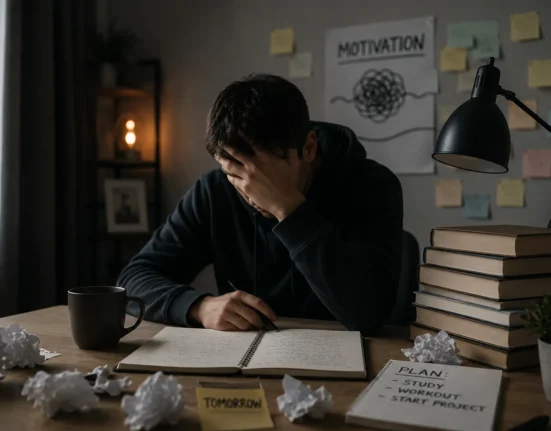
So Daniel kept postponing things. Like many people, he believed small problems could wait. What he didn’t realize was that neglected problems rarely stay small forever. They grow quietly in the background — financially, emotionally, physically, and mentally — until avoiding them becomes impossible.
Why People Ignore Problems They Already Notice
Most people do not ignore problems because they are careless. They ignore them because discomfort is emotionally exhausting. Difficult conversations create anxiety. Health concerns create fear. Financial problems create shame. So the brain looks for relief in temporary avoidance. Daniel did this constantly without fully realizing it.
Every postponed responsibility gave him short-term emotional comfort.But long-term, the pressure only increased.
Experts at Psychology Today avoidance behavior articles often explain that avoidance temporarily reduces stress while quietly strengthening anxiety over time.
That perfectly described Daniel’s life.
Small Problems Feel Emotionally Manageable
One reason small issues are dangerous is because they rarely feel urgent at the beginning. Missing one workout seems harmless. Ignoring one uncomfortable conversation feels easier than conflict. Skipping one payment appears temporary. The emotional consequences arrive slowly enough that people convince themselves everything is still under control. Daniel repeated this pattern for years.
He constantly planned to “deal with things properly later.” Later became his favorite word.
Stress Builds Quietly in the Background
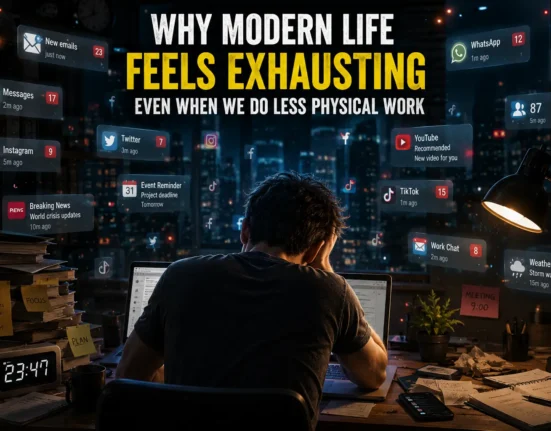
Even when people avoid problems consciously, the mind rarely fully relaxes. Daniel noticed this gradually. He felt mentally tired more often. Simple tasks became emotionally heavier. He slept poorly because unfinished responsibilities stayed active in his thoughts constantly.
At some point, avoidance itself became exhausting.
Mental health professionals at HelpGuide anxiety and stress resources frequently discuss how chronic unresolved stress can slowly affect focus, sleep, emotional balance, and physical wellbeing.
The Relationship Problems He Never Addressed
The most painful consequences appeared in his relationship. Nothing dramatic happened initially. No major betrayal. No explosive argument. Just repeated emotional distance caused by conversations neither of them wanted to have. Daniel assumed silence kept the peace.
In reality, silence created emotional separation. Over time, unresolved frustrations became resentment. By the time they finally tried discussing the problems honestly, both of them already felt emotionally exhausted.
Relationship experts at The Gottman Institute communication resources often emphasize that small unresolved issues become far more damaging when ignored repeatedly over long periods.
Daniel learned that too late.
Health Problems Rarely Improve Through Neglect
At the same time, Daniel ignored his physical health constantly. He delayed appointments. Dismissed symptoms. Promised himself he would “take better care of things soon.” Then one routine medical checkup revealed several issues that had quietly worsened over time. That moment frightened him deeply.
Not only because of the diagnosis itself. But because he realized he had spent years ignoring warning signs his body had already been giving him.
Why Avoidance Creates Temporary Relief
Avoidance feels emotionally rewarding in the short term. That is what makes it dangerous. Every delayed responsibility creates temporary relief from stress or fear. The problem is that reality continues moving forward anyway. Bills accumulate. Health declines. Relationships weaken.
And eventually, the emotional cost becomes larger than the discomfort people originally tried to avoid. Experts at Verywell Mind coping and avoidance resources often explain that chronic avoidance can increase long-term stress and emotional exhaustion instead of reducing it.
The Turning Point
Daniel’s perspective changed after a particularly overwhelming month. Financial pressure. Relationship tension. Health concerns. Everything collided simultaneously. For the first time, he stopped asking:
“How do I avoid this stress?”
And started asking:
“What would happen if I finally faced things early instead of late?”
That question changed his behavior more than motivation ever had.
Solving Problems Early Feels Easier Than Solving Them Late
One of the biggest lessons Daniel learned was surprisingly simple: Most problems are emotionally easier to manage early. Difficult conversations become harder with time. Financial problems become larger with neglect. Stress becomes heavier when ignored repeatedly.
This realization helped him stop viewing responsibility as punishment. Instead, he began seeing small actions as protection against future chaos.
What Changed Afterward
Daniel did not become perfectly organized overnight. But he became more honest with himself. He scheduled appointments earlier. Handled financial responsibilities faster. Spoke about emotional concerns before resentment built up. Those changes seemed small individually.
Together, however, they created something he had not felt in years: Relief. Not because life became problem-free.
But because he stopped allowing avoidable problems to quietly control his life from the background.
Final Reflection
For years, Daniel believed avoiding stress made life easier. Eventually, he discovered the opposite was true. Avoidance rarely removes problems. It usually gives them time to grow. And often, the emotional energy required to avoid reality becomes greater than the energy needed to face it honestly in the first place.
Because small problems rarely stay small forever when nobody is willing to deal with them early.
unresolved emotional stress can quietly affect focus, relationships, and overall wellbeing
many people delay difficult decisions because temporary avoidance feels emotionally easier
constant mental pressure and unfinished responsibilities can slowly create emotional exhaustion
Written by Interest Story Editorial Team
We publish emotional wellbeing, relationship, and personal growth articles designed to encourage healthier habits, emotional awareness, and practical everyday balance.






Leave feedback about this