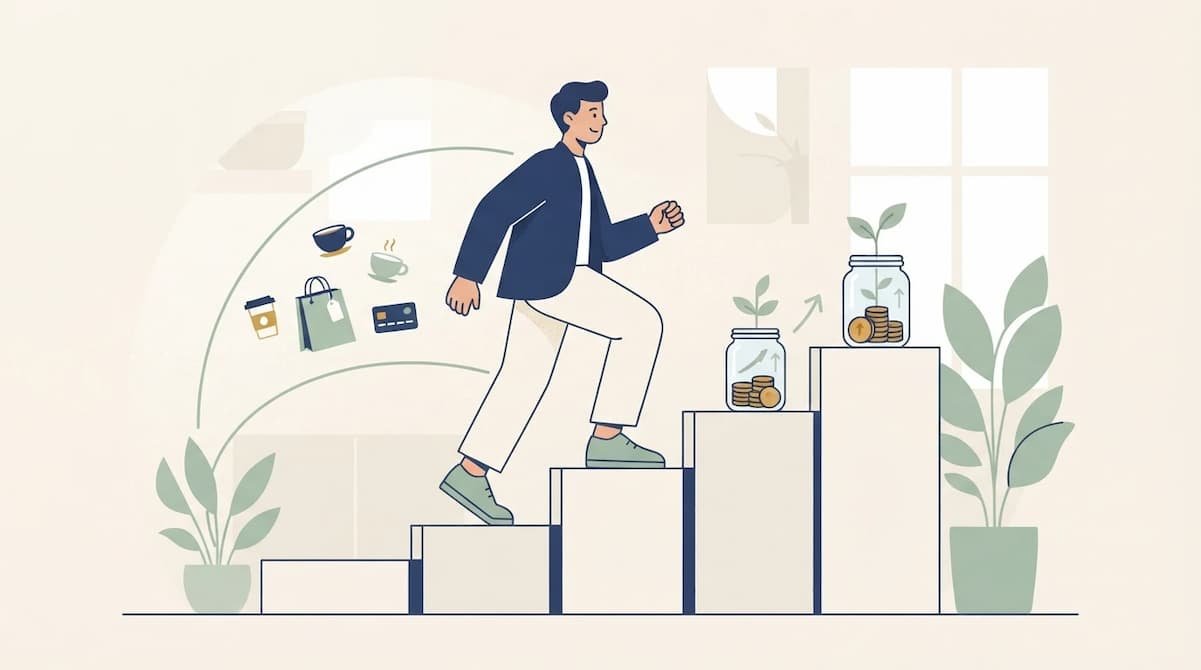
Getting an increment in your salary is supposed to make your financial life easier and lighter. You finally expect to stop stressing over grocery bills and build up your savings account. Yet millions of people find that their account balance looks the same as it did six months ago.
The disappearance of this extra income is called lifestyle creep. It happens when your non-essential spending rises right alongside your salary. Suddenly, luxuries that used to seem rare start feeling like basic necessities.
Preventing lifestyle creep doesn’t mean you have to live like a broke college student forever. You worked hard to earn that raise, and you deserve to enjoy some of it. What matters is deciding carefully whether your extra money goes toward useful things or gets swallowed by unexamined habits.
How Lifestyle Creep Happens So Easily
Most people don’t immediately go out and buy a luxury car after getting a 10% increment. Lifestyle creep is much sneakier than that. It usually happens due to four psychological and practical traps:
-
Adapting quickly to a higher standard of living: A nicer car or a bigger apartment feels thrilling at first, and that is how the urge to keep upgrading things takes hold.
-
Overdoing post-raise rewards: Rewarding yourself after months of hard work and late-night shifts feels justified. One celebration dinner is fine, but daily treats are where budget leaks start.
-
Ignoring deductions and taxes: For example, a $6,000 annual raise looks like an extra $500 per month on paper. However, taxes, insurance, retirement contributions, and Social Security often bring the actual take-home increase closer to $340–$350. Spending based on the gross figure puts you in the red.
-
Taking on recurring fixed costs: Buying an $80 pair of shoes is a one-time purchase, whereas moving into a pricier apartment or buying a car drains your budget every single month for years.
A Realistic Way to Split Your Raise
Saying you will save 100% of every raise sounds great on paper, but it is rarely realistic and often backfires. When you feel like you get zero reward from extra money earned after months of hard work, frustration sets in—and you can end up overspending even more.
A more practical approach is splitting your net pay increase into three buckets before your first higher paycheck arrives:
-
50% to future financial security: Put 50% of your take-home raise toward building your emergency fund, increasing retirement contributions, or paying off high-interest debt faster. When this money moves automatically, your net worth grows every time your income rises.
-
30% to near-term stability: Set aside 30% for irregular expenses that disrupt your budget—such as car maintenance, insurance renewals, and holiday gifts. Funding these categories protects you from surprise bills later in the year.
-
20% for lifestyle upgrades: Keep the remaining 20% for lifestyle upgrades so you can enjoy your hard-earned money. Having a clear enjoyment allowance removes guilt while keeping the other 80% protected.
Practical Habits to Keep Spending Grounded
-
Wait for one full paycheck before changing anything.
-
Redirect the extra cash before you get used to seeing it.
-
Apply a 30-day cooling-off rule to fixed upgrades.
-
Upgrade selectively rather than across the board.
-
Do a 15-minute quarterly bank statement check.
Conclusion:
Getting a salary increment should be a turning point for your finances, not just a reason to inflate your monthly bills. You worked hard for that extra income—enjoying part of it is completely fair, as long as you do it intentionally instead of letting unexamined habits decide for you.

“Hi, I’m David Caldwell. I know exactly what it feels like to be stressed about money and unexpected debt. I started Interest-Story to share the practical budgeting tips, side hustle strategies, and debt-payoff methods that actually worked for me. No confusing financial jargon—just real, tested advice for everyday people trying to take control of their finances.”