

For years, Olivia believed being a good person meant always putting herself last. She prioritized everyone else’s needs before her own. Family. Work. Relationships. Responsibilities. At first, she told herself this was simply part of adulthood. However, over time, something inside her slowly disappeared. She became emotionally exhausted, constantly overwhelmed, and disconnected from herself in ways she could no longer ignore.
Still, she continued giving more. Until one day, she realized something difficult:No one was going to save her from the life she was quietly destroying for herself.
Living for Everyone Else
Olivia’s days were filled with responsibility. She solved problems constantly. She supported people emotionally. She said yes even when she wanted to say no. From the outside, she looked dependable and strong.
Internally, however, she felt exhausted almost all the time. The hardest part was that very few people noticed. This happens more often than many realize. Many adults become so focused on caring for others that they slowly stop caring for themselves entirely.
Why People Ignore Their Own Needs
There are many reasons people neglect their emotional wellbeing. Some fear disappointing others. Some seek approval through constant sacrifice. Others simply become accustomed to placing themselves last.
Psychologists often explain that chronic people-pleasing and emotional self-neglect can eventually contribute to stress, emotional exhaustion, and reduced self-worth.
American Psychological Association self-esteem and emotional wellbeing resources
Olivia recognized herself in that pattern. For years, she believed self-sacrifice automatically made her valuable.
The Emotional Cost of Constant Self-Sacrifice
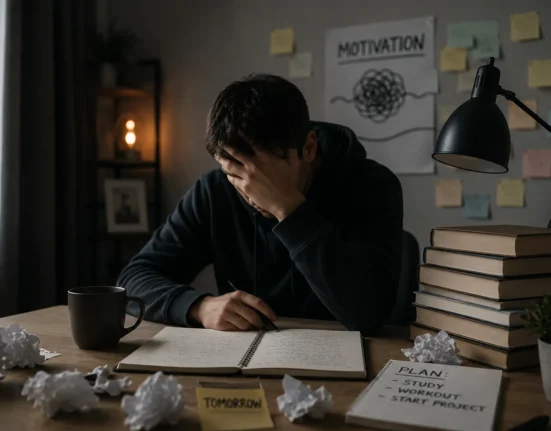
Over time, emotional exhaustion affected every part of Olivia’s life. She became irritable more easily. Simple tasks felt heavier. She struggled to rest without guilt. Eventually, even moments that should have felt peaceful became emotionally draining.
Long-term emotional stress can significantly affect mental wellbeing, energy levels, and emotional balance over time.
World Health Organization mental health resources
Still, Olivia continued convincing herself that pushing harder was the solution.
The Moment She Finally Stopped
The turning point came quietly. One evening, after another exhausting day, Olivia realized she could not remember the last time she had genuinely asked herself a simple question:
“What do I actually need?”
The realization shocked her. She spent years understanding everyone else’s emotions while ignoring her own completely. That moment became the beginning of change.
Why Setting Boundaries Feels So Difficult
At first, Olivia believed setting boundaries would make her selfish. This fear is extremely common. Many people confuse healthy boundaries with rejection or selfishness. However, emotional boundaries are not about hurting others.
They are about protecting emotional balance and personal wellbeing. Experts in emotional health frequently explain that healthy boundaries improve both emotional stability and relationship quality over time.
Harvard Health emotional wellbeing resources
Understanding this changed Olivia’s perspective entirely.
Learning to Say No
At first, small changes felt uncomfortable. Olivia started declining unnecessary responsibilities. She stopped apologizing for needing rest. She spent more time alone without feeling guilty about it. Initially, some people reacted negatively.That surprised her.
For years, people had become comfortable with unlimited access to her time and energy. Once boundaries appeared, those expectations changed.
What Happens When People Start Prioritizing Themselves
Something unexpected happened after Olivia began taking care of herself more seriously. Her emotional health slowly improved. She felt calmer. More focused. More emotionally stable. Most importantly, she no longer felt invisible in her own life. This does not mean her problems disappeared completely.
However, she finally stopped abandoning herself emotionally just to satisfy everyone else.
Healthy Self-Worth vs Selfishness
One of the biggest misconceptions about self-care is the belief that prioritizing personal wellbeing is selfish. In reality, emotional balance often improves relationships rather than damaging them. Healthy self-worth means recognizing personal limits, emotional needs, and boundaries without constant guilt.
Selfishness ignores other people completely. Healthy self-worth simply refuses to ignore yourself. That difference matters.
Real-Life Perspective
Stories like this are very common. Many adults quietly experience emotional burnout because they spend years prioritizing responsibilities and other people’s expectations above their own wellbeing. This pattern is especially common among people who strongly identify with being “helpful,” “responsible,” or “dependable.” Over time, however, emotional neglect often creates frustration, exhaustion, and loss of identity.
That is why emotional balance and healthy boundaries are so important.
What This Story Teaches Us
This story is not really about becoming selfish. It is about emotional awareness and balance. Many people spend years believing that constant sacrifice automatically creates healthy relationships and personal fulfillment. Unfortunately, emotional exhaustion eventually affects every part of life. The story also reminds us that boundaries are not signs of rejection. They are signs of self-respect.
Most importantly, it shows that meaningful change often begins the moment people finally stop ignoring their own emotional needs.
Final Thoughts
Olivia spent years giving everything to everyone else. Eventually, she realized something important: You cannot build a healthy life while constantly abandoning yourself emotionally. Choosing herself did not make her cold.
It did not make her selfish. It simply allowed her to become emotionally healthier, calmer, and more honest about what she needed. And sometimes, that is exactly where real healing begins.
long-term emotional exhaustion can slowly affect mental wellbeing and personal balance
many people remain emotionally stuck because they fear disappointing others
healthy relationships require emotional respect, communication, and personal boundaries
Written by Interest Story Editorial Team
We publish emotional wellbeing, relationship, and personal growth articles designed to encourage reflection, awareness, and healthier everyday habits.





Leave feedback about this