
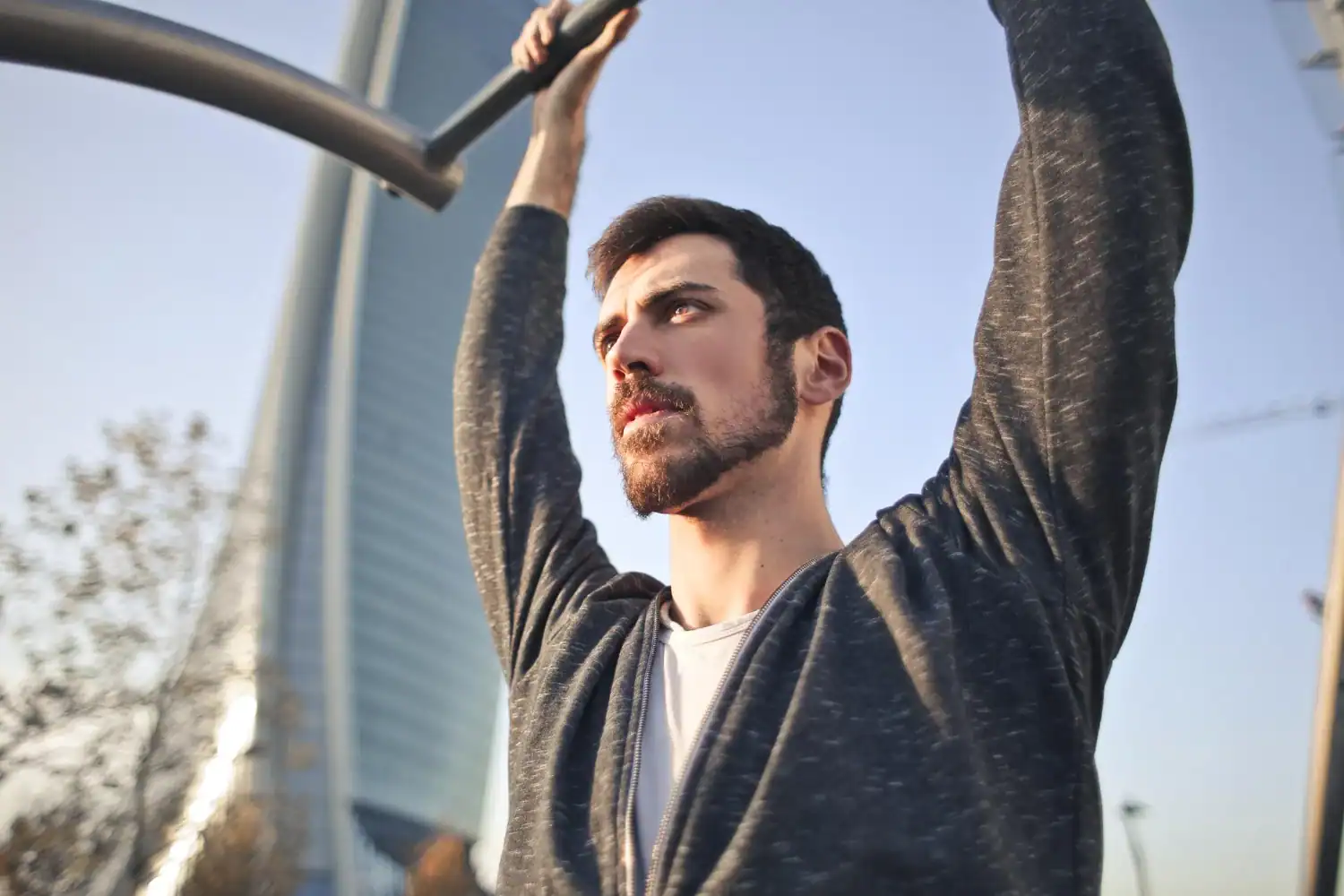
Almost everyone wants change at some point in life. People want healthier habits, better relationships, improved finances, or more meaningful careers. Still, despite those desires, many remain stuck in the same routines for years. Not because they are lazy. Not because they lack intelligence.But because real change is often far more emotionally difficult than people expect.
For a long time, Nathan believed motivation was the problem. He constantly waited for the perfect moment to finally improve his life. That moment never came.
Wanting Change Is Not the Same as Creating It
Nathan spent years telling himself he would eventually make changes. He planned to exercise more. Save money. Reduce stress. Improve his confidence. Maybe even start a completely different career.
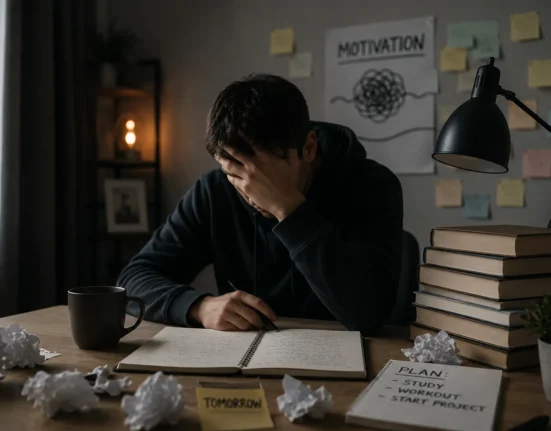
However, every attempt followed the same pattern. Strong motivation for a few days. Then exhaustion. Then frustration. Then returning to old habits. Over time, the cycle became emotionally draining.
Why People Resist Change
One of the biggest misconceptions about personal growth is the belief that people naturally welcome change. In reality, the human brain often prefers familiarity over uncertainty — even when familiar situations create frustration. Psychologists frequently explain that routines provide emotional safety because they are predictable.
American Psychological Association behavior change resources
This means people may unconsciously remain in situations that no longer make them happy simply because those situations feel known and emotionally manageable.
Nathan experienced exactly that.
The Comfort Zone Problem
The term “comfort zone” sounds positive. However, comfort does not always mean happiness. Sometimes it simply means familiarity.
Nathan became comfortable with routines that quietly damaged his wellbeing. He stayed in environments that exhausted him emotionally. He delayed difficult decisions. And he convinced himself things would improve “eventually.” Unfortunately, eventually rarely arrives without action.
Fear Often Looks Like Logic
Fear does not always appear dramatically Sometimes fear disguises itself as practicality.
Nathan often told himself:
“This isn’t the right time.”
“I should wait until things feel more stable.”
“What if I fail?”
At first, those thoughts sounded reasonable. However, over time, they became excuses that prevented movement entirely. This happens more often than many people realize. People frequently delay change not because they truly cannot act, but because uncertainty feels emotionally uncomfortable.
The Emotional Weight of Staying Stuck
Remaining stuck for long periods affects emotional wellbeing deeply. Over time, Nathan noticed growing frustration inside himself. He became more negative. More tired. Less motivated. The hardest part was not failure itself. It was the feeling that life was moving forward while he remained in the same place.
Mental health experts often explain that long-term emotional stress and lack of progress can increase anxiety, emotional exhaustion, and feelings of helplessness.
World Health Organization mental health resources
Why Motivation Alone Usually Fails
For years, Nathan believed motivation was the answer. Eventually, he realized something important: Motivation is temporary. Habits are what create long-term change. Many people wait until they “feel ready” before improving their lives. Unfortunately, emotional readiness is inconsistent. Some days people feel motivated. Other days they feel exhausted. That is why relying entirely on emotion usually creates inconsistency.
Small Habits That Keep People Stuck
Looking back, Nathan recognized several behaviors that prevented growth.
1. Constant Overthinking
He spent more time analyzing change than actually creating it.
2. Fear of Imperfection
If he couldn’t improve perfectly, he avoided starting at all.
3. Waiting for the “Perfect Time”
He believed better circumstances would magically appear later.
4. Comparing Himself to Others
Social comparison made his progress feel insignificant.
5. Avoiding Discomfort
He interpreted discomfort as failure instead of growth.
What Actually Helps People Move Forward
Nathan’s life did not improve through one dramatic transformation. It changed slowly. The biggest shift happened when he stopped focusing on massive goals and started focusing on small consistent actions. He improved routines gradually. He reduced distractions. He stopped expecting instant results. Most importantly, he accepted that discomfort was part of growth — not proof that something was wrong.
Why Small Progress Matters
Small progress often feels invisible at first. That is why many people quit too early. However, experts in behavior change frequently explain that consistency matters more than intensity when building healthier long-term habits.
Harvard Health healthy habit and emotional wellbeing resources
Nathan slowly began noticing changes. Better energy. More confidence. Less emotional pressure. Those improvements did not happen overnight. But they happened.
Real-Life Perspective
Stories like this are extremely common. Many adults feel emotionally stuck at different stages of life. Sometimes the problem involves career dissatisfaction. Sometimes relationships. Sometimes emotional burnout or lack of direction. In many cases, the biggest obstacle is not external circumstances alone.
It is the belief that meaningful change must happen quickly or perfectly. That belief often prevents people from taking the small actions that actually create progress.
What This Story Teaches Us
This story is not really about motivation. It is about awareness and consistency. Many people remain stuck because they underestimate the emotional difficulty of change while overestimating the importance of perfect timing. The story also highlights how fear, overthinking, and emotional exhaustion can quietly prevent growth over time.
Most importantly, it shows that progress usually begins through small repeated actions — not dramatic transformations. Real change is rarely fast. But it becomes possible once people stop waiting for perfect conditions and start moving forward consistently.
Final Thoughts
Nathan spent years waiting for his life to change. Eventually, he understood something important: Waiting alone changes nothing. Growth begins when people accept discomfort, take small actions consistently, and stop expecting immediate perfection. Because in the end, most people do not remain stuck because change is impossible. They remain stuck because fear convinces them not to begin.
long-term emotional pressure can slowly affect confidence, motivation, and wellbeing
fear and emotional uncertainty often influence important life decisions
many people remain in emotionally unhealthy situations simply because they fear uncertainty
Written by Interest Story Editorial Team
We publish personal growth, emotional wellbeing, and relationship-focused articles designed to encourage awareness, reflection, and healthier everyday habits.





Leave feedback about this