
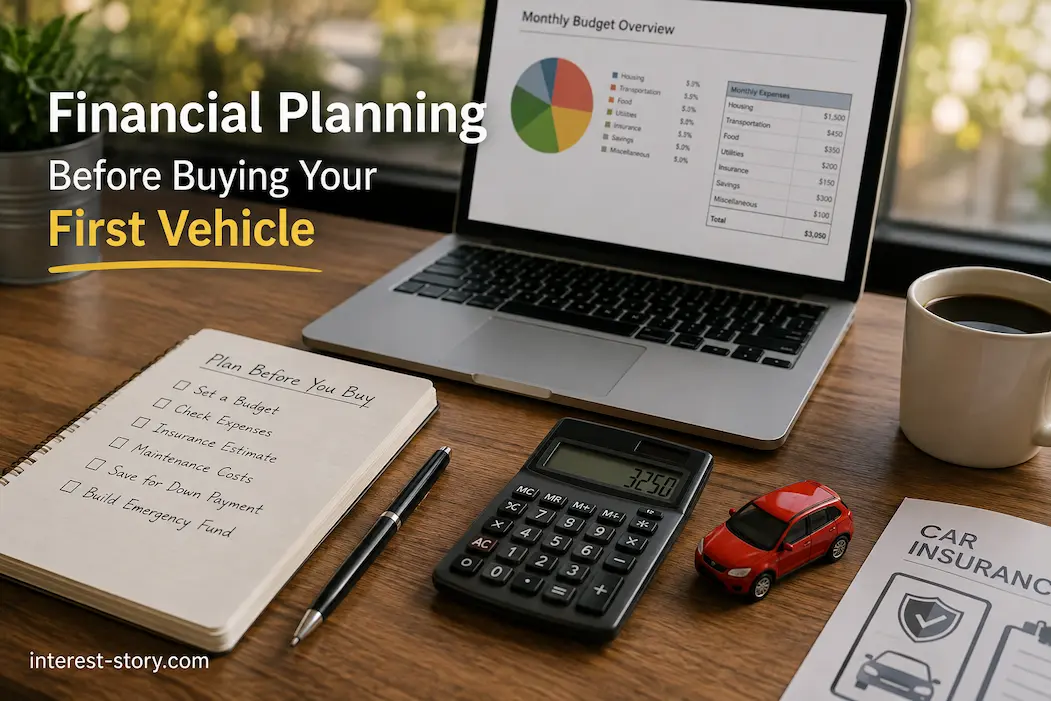
There’s a moment when car ownership becomes utilitarian rather than luxurious. Your commute may have lengthened, public transit no longer works, or a new job necessitates reliable transportation. Convenience matters to some. Others want independence. Buying a first car is often one of the most significant financial decisions a person makes outside of housing or education.
The exhilaration of car shopping might make it tempting to focus on colors, features, and monthly payments. However, those are simply factors. Cars are part of your finances long after purchase. It affects your monthly budget, emergency savings, insurance, maintenance, and financial goals. So start financial planning before visiting a dealership or reading online listings. The idea is to choose a vehicle that fits your lifestyle without putting you under financial strain.
Consider Lifestyle Before Buying a Car
It’s remarkable how often individuals compare car models before deciding how to use them. A better first step is knowing your routine. Ask yourself basic questions. How many miles do you travel weekly? Will the car be utilized for commuting, family, weekends, or occasional errands? Will your mobility demands change in the following years?
The responses usually limit your options. Traveling a short distance a few times a week has different priorities than traveling for hours every day. A household planning a move or family expansion should consider its future needs. Avoid emotional purchases by considering your lifestyle. Ask, “Which vehicle genuinely supports the way I live?” instead of “Which vehicle do I like the most?” This change alone can affect your financial decisions and long-term buying happiness.
Monthly Payment Only Part of the Picture
It’s natural to consider monthly payments when buying a first car. It’s the number most often seen in ads and finance offers. However, car ownership comes with significant continuing costs. The cost of ownership includes insurance, registration, fuel, scheduled maintenance, replacement tires, parking, and occasional repairs. Individually, these costs may seem reasonable. Over months and years, they routinely exceed first-time buyers’ expectations.
Imagine two people buying cars with similar monthly payments. One chooses a model with cheaper insurance and fuel economy, while the other chooses a larger car with greater running costs. Loan payments may look similar, but monthly transportation expenditures can vary greatly. Consider ownership rather than purchase pricing to make more balanced financial decisions and decrease budget strain after the car becomes part of your everyday life.
A Vehicle Should Fit Around Your Budget—Not Replace It
First-time purchasers often seek vehicles within a lender’s maximum approved amount. This strategy seems reasonable, but permission restrictions may not reflect your financial priorities. Building your monthly budget first and seeing how much room there is for transportation expenses without affecting your capacity to save, pay bills, or handle unforeseen charges is more practical.
Compare present financial obligations against future ambitions. You may be saving for college, a new home, or an emergency fund. Choosing a vehicle that accommodates those priorities is typically more financially flexible than straining your budget for finance. Can you pay next month? That’s not financial comfort. The answer is determined by whether the vehicle remains affordable after monthly life expenses arrive.
Time Can Be as Important as Vehicle When Buying.
Whether to buy a new or used car is a common issue, but is now the ideal time to buy? Waiting a few months can improve your finances. You may be paying off a debt, saving for emergencies, or expecting more financial stability after a new job. Buying later may be boring, but it might give you more options and minimize financial stress.
However, waiting indefinitely isn’t always feasible. If inconsistent transportation is harming your career, study, or family obligations, buying a reliable vehicle sooner may have long-term benefits. The choice goes beyond today’s costs. It’s about whether your finances allow automobile ownership to be a benefit rather than a burden.
Compare Your Long-Term Purchase Options
When you determine that buying a car makes financial sense, the next step is usually how to pay for it. Some save until they can afford the whole amount, while others pick financing that matches their monthly budget. Your financial condition, savings, and future objectives determine which technique is best.
Consider how each alternative will influence your budget over the coming years rather than which one costs the least today. A sudden expense may put you under financial stress if paying in full would leave you with almost no emergency funds. Selecting finance without knowing the long-term commitment can limit other financial ambitions. Whatever you do, the purchase should complement your finances, not rule them. Your finances are not centered on a car.
Costs That Often Surprise First-Time Buyers
Many people prepare for the purchase itself but underestimate the smaller expenses that appear throughout the first year of ownership. Individually these costs may seem manageable, yet together they can noticeably change a monthly budget.
Examples include:
- Vehicle registration and licensing fees.
- Insurance policy adjustments or renewals.
- Routine servicing and inspections.
- Tire replacement and seasonal maintenance.
- Parking permits or garage fees.
- Car washes and basic cleaning supplies.
- Emergency roadside assistance memberships, if you choose to have one.
None of these expenses should discourage someone from buying a vehicle. The important point is simply to recognize that ownership continues after the keys are handed over. Planning for these ongoing costs makes them easier to absorb without disrupting other financial priorities.
Think About Your Future Self, Not Just Today’s Situation
A first vehicle often stays with its owner for several years. During that time, careers develop, incomes change, families grow, and financial priorities naturally evolve. Before making a purchase, imagine your life two or three years from now. Will the vehicle still suit your daily routine? Will its operating expenses continue fitting comfortably within your budget if your circumstances change? Could it affect other financial goals, such as moving into a new home, returning to school, or increasing your savings?
Thinking ahead doesn’t require predicting the future perfectly. It simply encourages choosing a vehicle that offers flexibility rather than forcing your future budget to revolve around transportation expenses. Many people later describe their best vehicle purchase not as the newest or most expensive model they owned, but as the one that quietly fit their lifestyle without creating ongoing financial strain.
A Simple Way to Decide Whether You’re Financially Ready
Rather than focusing on one number—such as your savings balance or the price of the vehicle—look at your overall financial readiness.
Ask yourself questions like these:
- Can I comfortably manage all expected ownership costs each month?
- Will I still have money available for savings after buying the vehicle?
- Have I planned for routine maintenance instead of only the purchase price?
- Would an unexpected repair immediately create financial difficulty?
- Am I buying this vehicle because I genuinely need it, or because I feel pressured to upgrade?
If most of your answers give you confidence, your financial foundation is probably stronger than if you’re relying on optimism alone. If several answers create uncertainty, waiting a little longer or adjusting your budget may provide more flexibility later. Financial readiness isn’t about reaching perfection. It’s about making a decision you can continue feeling comfortable with long after the excitement of buying your first vehicle has passed.
Final Thoughts
Buying your first car is a major life milestone, but it also marks the start of a long-term financial commitment. Beyond the purchase price, it is important to consider the car’s impact on your daily life, as doing so makes the experience much more enjoyable. The best financial decisions are rarely driven by emotion or haste; they are based on an understanding of your financial means, an assessment of future repayments, and the choice of a solution that aligns with—rather than conflicts with—your overall financial goals.
A reliable car should make your life easier, not constantly require financial adjustments just to keep it running. When your plans to buy a car fit seamlessly into your overall financial strategy, you can worry less about the costs and spend more time enjoying the freedom that a car brings.
FAQs
1. Do I need to save money before buying my first car?
If you have savings, you may be in a more financially flexible position to buy a car, particularly in terms of upfront prices and unforeseen ownership costs.
2. Is comparing affordability by monthly payment the right way?
Not necessarily. When considering long term affordability, it is generally the whole cost of ownership, including insurance, fuel, maintenance and registration, which paints a more true picture.
3. How can I know if I’m ready to acquire a car financially?
You’re usually in a better position when your monthly budget can easily accommodate ownership expenditures and also fulfill other financial obligations and savings goals.
4. Should I wait to buy a car if my salary has suddenly changed?
Large financial changes can affect affordability. It’s easy to check your revised budget to see if waiting would be better for you financially before you buy.
5. What is the largest error first time automobile buyers make?
One of the biggest mistakes is to focus almost exclusively on the purchase price and disregard the ongoing costs of ownership and maintenance of the car. Both will result in more confident financial decisions.

The Interest-Story Editorial Team creates practical financial guides covering budgeting, saving, debt, credit, side income, student finance, and everyday financial planning. Our content is written to make complicated financial topics easier to understand, with information organized around real-life questions and decisions. We use reliable sources for facts that can change over time and encourage readers to verify important financial, legal, and government requirements with the appropriate official organization. Our goal is straightforward: provide useful information that helps readers understand their options and make more informed financial decisions.