

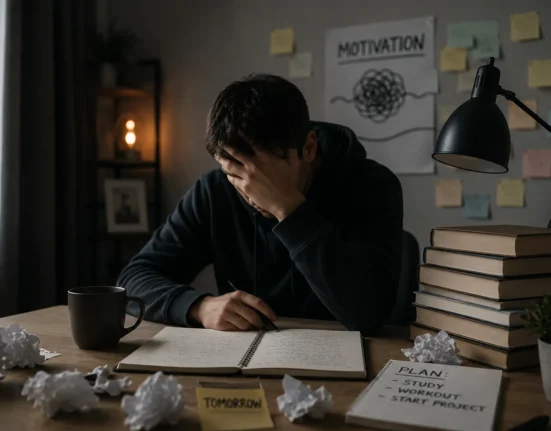
For a long time, Ava believed she had a productivity problem. She bought planners she barely used. Downloaded organization apps. Watched endless videos about routines, focus, and discipline. Yet no matter how motivated she felt at the beginning of each week, she constantly ended up exhausted, distracted, and disappointed in herself.
At some point, productivity stopped feeling like a goal and started feeling like guilt. Every unfinished task became proof that she was “falling behind.” The strange part was that she was busy almost all the time. But despite constantly doing things, she rarely felt truly productive. Eventually, she discovered the real issue had very little to do with laziness.
Being Busy Is Not the Same as Being Productive
Modern life often rewards visible busyness. Answering messages constantly. Switching between tasks. Multitasking. Staying mentally available at all times. From the outside, Ava looked productive because she was always occupied. Internally, however, she felt mentally scattered.
Her attention constantly moved from one thing to another without real focus. At the end of the day, she felt drained but strangely unsatisfied. This experience is extremely common. Many people confuse activity with meaningful progress.
The Hidden Impact of Mental Overload
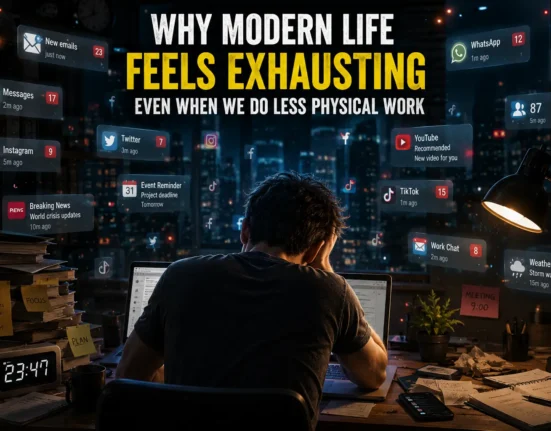
The real problem was not time management. It was mental overload. Ava’s brain never truly rested. Notifications interrupted her constantly. Work followed her home mentally. Even moments of rest became filled with scrolling, information, and overstimulation.
Over time, her attention span became weaker. Focusing deeply on one task started feeling unusually difficult.
Experts at Cleveland Clinic mental health resources often discuss how chronic stress and overstimulation can affect focus, energy, and cognitive performance.
Why Productivity Advice Often Fails
One reason productivity advice feels frustrating is because it often ignores emotional reality. People are told to wake up earlier, optimize schedules, and work harder. But emotional exhaustion changes everything. When people are mentally overwhelmed, even simple tasks begin feeling heavier than they should.
Ava kept trying to fix herself with stricter routines while ignoring how emotionally exhausted she had become. That approach only created more frustration.
The Emotional Side of Feeling “Unproductive”
At some point, productivity becomes emotional rather than practical. People stop measuring progress realistically. Instead, they measure themselves emotionally.
“If I’m not constantly improving, I’m failing.”
That mindset creates pressure that quickly becomes unhealthy. Mental health professionals frequently explain that chronic stress and emotional burnout can reduce concentration, motivation, and decision-making ability over time.
Mind UK stress and wellbeing resources
Ava slowly realized she wasn’t incapable of productivity. She was mentally overloaded.
The Productivity Habits That Quietly Make Things Worse
Looking back, Ava noticed several patterns that constantly drained her energy.
Constant multitasking
She believed doing multiple things at once made her efficient. In reality, it destroyed focus.
Consuming more information than action
She spent more time researching productivity than actually working calmly.
Never fully resting
Even during breaks, her attention remained overstimulated.
Unrealistic expectations
She expected herself to function at maximum efficiency every single day.
Guilt-driven work
Tasks became emotionally associated with pressure instead of progress.
What Actually Helped
Ironically, improvement began once Ava stopped obsessing over productivity itself. Instead of forcing more output, she focused on reducing mental noise. She disabled unnecessary notifications. Worked in shorter focused sessions.
Took real breaks without screens. Most importantly, she stopped treating rest as laziness. That shift changed everything.
Why Rest Is Part of Productivity
Many people see rest as the opposite of productivity. In reality, proper rest supports focus, creativity, and emotional balance. Without recovery, the brain struggles to maintain concentration consistently.
Experts at Verywell Mind burnout and mental fatigue resources often emphasize that sustainable productivity depends heavily on emotional recovery and realistic expectations.
Ava finally understood that exhaustion was not a sign she needed more pressure. It was a sign she needed balance.
Small Changes Created Bigger Results
The improvements were surprisingly simple. More sleep. Less multitasking. Fewer distractions. More realistic daily goals. At first, the progress seemed small.
But after several weeks, Ava noticed something important: She felt calmer. And calmness improved her focus far more than constant pressure ever had.
Productivity Without Emotional Health Rarely Lasts
One of the biggest lessons Ava learned was that productivity cannot stay healthy when emotional wellbeing is ignored completely. People are not machines. Focus, energy, creativity, and motivation all depend heavily on mental condition. That is why sustainable routines matter more than extreme performance cycles.
Burnout may temporarily increase output through pressure. But eventually, it damages consistency completely.
Final Reflection
For years, Ava believed she needed better discipline. Eventually, she realized she needed something far more important: Mental space.
The problem was never laziness. It was constant emotional and mental overload disguised as productivity culture. And once she stopped trying to optimize every minute of her life, she finally became capable of focusing on what actually mattered. Because sometimes productivity improves not when people push harder — but when they finally slow down enough to think clearly again.
chronic emotional exhaustion can quietly affect focus, motivation, and everyday routines
many people remain stuck because constant mental pressure makes change feel overwhelming
small consistent habits often create healthier long-term progress than extreme routines
Written by Interest Story Editorial Team
We publish emotional wellbeing, self-improvement, and personal growth articles designed to encourage healthier habits, awareness, and sustainable everyday balance.





Leave feedback about this