

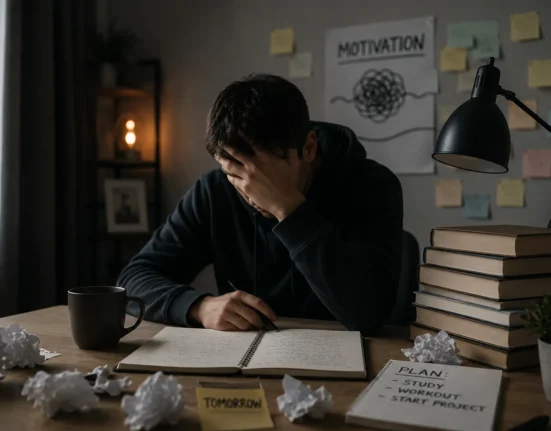
For a long time, Caleb believed motivation was the missing piece in his life. Whenever he failed to stay consistent with a goal, he blamed a lack of inspiration. He waited to “feel ready.” To feel energized. Focused. Confident.
Some days, motivation appeared briefly. He would make plans, create routines, and imagine how different life could become if he finally stayed consistent. Then a difficult day would arrive. Stress. Exhaustion. Disappointment. And suddenly, everything stopped again. The cycle repeated for years. Eventually, Caleb realized the problem was not motivation at all. It was dependence on motivation.
Motivation Feels Powerful — But It Rarely Lasts
Motivation creates emotional momentum. That is why it feels exciting. People often feel highly motivated after watching an inspiring video, reading advice online, or imagining a better future. The problem is that motivation is emotional by nature. And emotions change constantly. Some mornings people feel optimistic.
Other mornings they feel tired, distracted, or emotionally drained. If progress depends entirely on emotional energy, consistency becomes almost impossible. This realization changed the way Caleb viewed self-improvement completely.
Discipline Looks Boring at First
Unlike motivation, discipline rarely feels exciting. It is repetitive. Quiet. Sometimes uncomfortable. Discipline means continuing even when enthusiasm disappears. That is why many people struggle with it initially. Caleb expected progress to feel emotionally dramatic. Instead, real progress usually looked ordinary. Waking up earlier even when he didn’t feel like it. Going for a walk instead of scrolling endlessly online. Working consistently without immediate results. None of those moments felt inspiring. But together, they slowly changed his life.
Why People Depend Too Much on Motivation
Modern culture often presents personal growth as emotional excitement. People are encouraged to “find motivation” constantly. Unfortunately, this creates unrealistic expectations. Behavioral specialists frequently explain that sustainable habits depend more on routine and consistency than emotional intensity.
James Clear habit and behavior
Caleb eventually understood that waiting to feel motivated before taking action guaranteed inconsistency.
The Hidden Problem With Motivation
Motivation often disappears exactly when people need it most. Stressful periods. Busy schedules. Emotional exhaustion. Unexpected setbacks. Those are the moments when routines matter most. Yet those are also the moments when emotional energy becomes weakest.
Caleb noticed this pattern constantly. Whenever life became difficult, his motivation disappeared first. Without discipline, every stressful week pushed him backward again.
Discipline Builds Trust in Yourself
One of the most surprising changes Caleb experienced was psychological. The more consistently he followed through on small commitments, the more confidence he developed. Not because life suddenly became easy. But because he stopped constantly disappointing himself.
That difference mattered. Self-confidence often grows through repeated evidence that people can rely on their own actions — even during difficult periods.
Experts at BetterUp personal growth resources frequently discuss how consistency and self-trust influence long-term emotional resilience and growth.
Small Disciplined Habits Change More Than Big Goals
For years, Caleb focused on dramatic transformations. Huge goals. Aggressive routines. Extreme expectations. None of them lasted. Everything changed when he shifted attention toward smaller consistent behaviors instead. Reading a few pages daily. Exercising briefly but consistently. Reducing distractions gradually. Sleeping at regular times.
Those habits looked insignificant individually. Over time, however, they completely changed his mindset and daily life.
Why Consistency Feels Difficult Emotionally
Discipline challenges emotions constantly. People naturally seek comfort, novelty, and immediate rewards. Consistency often feels repetitive before results appear. That delay frustrates many people. Caleb struggled with this for a long time. He wanted visible progress immediately.
Instead, improvement happened slowly enough that he almost failed to notice it. This is why many people quit too early. They underestimate how long meaningful progress usually takes.
Emotional Exhaustion Makes Discipline Harder
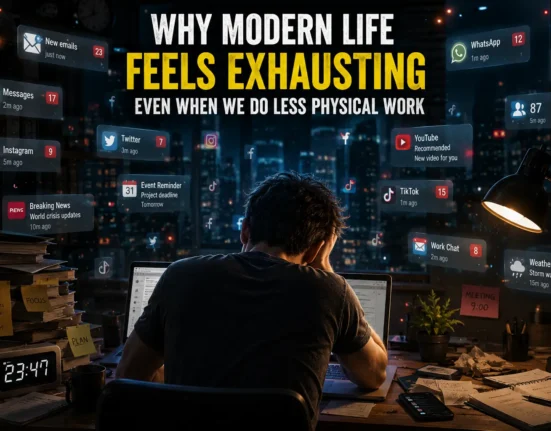
There is another important reality people rarely discuss: Discipline becomes much harder during emotional burnout. Mental exhaustion affects focus, energy, and decision-making significantly.
That is why sustainable routines matter more than perfection. Mental health professionals often explain that chronic stress and emotional exhaustion can reduce motivation, concentration, and emotional balance over time.
Mental Health Foundation stress and wellbeing
Caleb eventually stopped expecting himself to perform perfectly during difficult periods. Instead, he focused on maintaining small routines consistently. That mindset made discipline sustainable.
Motivation Starts Action — Discipline Continues It
This became Caleb’s most important lesson. Motivation is useful. It can inspire action initially. But discipline is what carries people forward once excitement fades. Without discipline, goals remain temporary emotional reactions. With discipline, small actions gradually become identity and lifestyle.
Final Reflection
Caleb spent years searching for motivation. Eventually, he realized he was searching for a feeling instead of building a system. And feelings are unreliable. Discipline, however, creates stability. Not dramatic overnight success. Not constant excitement.
Just quiet progress repeated consistently over time. And in the end, that kind of progress changes lives far more often than temporary bursts of motivation ever do.
many people remain stuck because they rely on emotional motivation instead of consistent action
small consistent actions often create more lasting progress than dramatic short-term changes
emotional exhaustion can quietly affect focus, energy, and long-term personal growth
Written by Interest Story Editorial Team
We publish personal growth, emotional wellbeing, and self-improvement articles designed to encourage healthier habits, awareness, and long-term personal development.





Leave feedback about this