
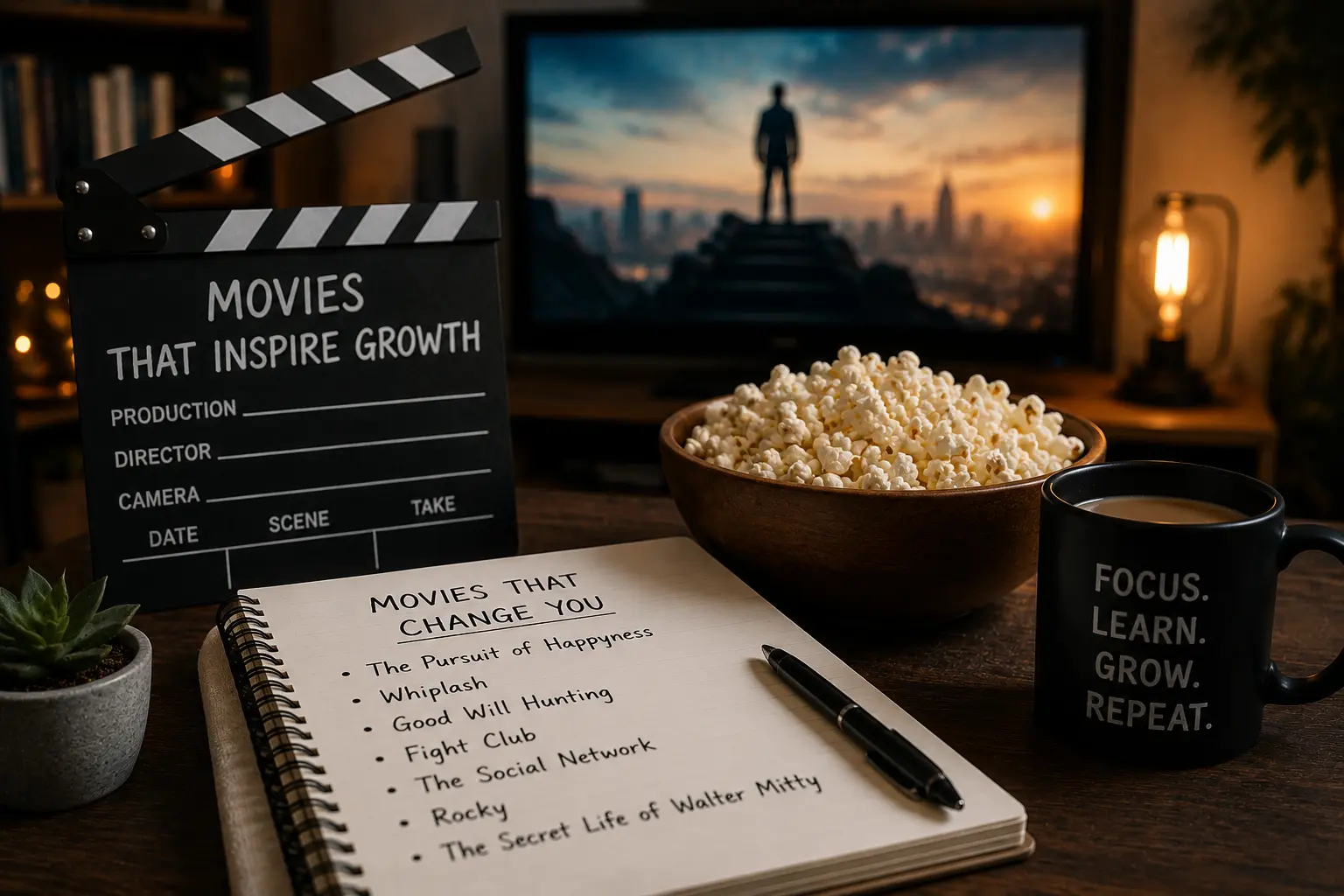
People often underestimate how strongly movies can influence thinking.
A powerful film is not just entertainment. Sometimes it changes perspective completely. A single story, character, or scene can stay in someone’s head for years because visual storytelling affects emotions differently than books or short internet content do.
Honestly, I think movies become especially powerful when they combine psychology, philosophy, ambition, discipline, emotional struggle, and human growth in a realistic way. The best ones don’t simply motivate people temporarily. They force viewers to think differently about life, fear, success, failure, relationships, or purpose.
At the same time, not every “motivational movie” deserves attention. Some rely only on emotional speeches and unrealistic success fantasies. The films that truly matter usually feel human, uncomfortable, and emotionally honest.
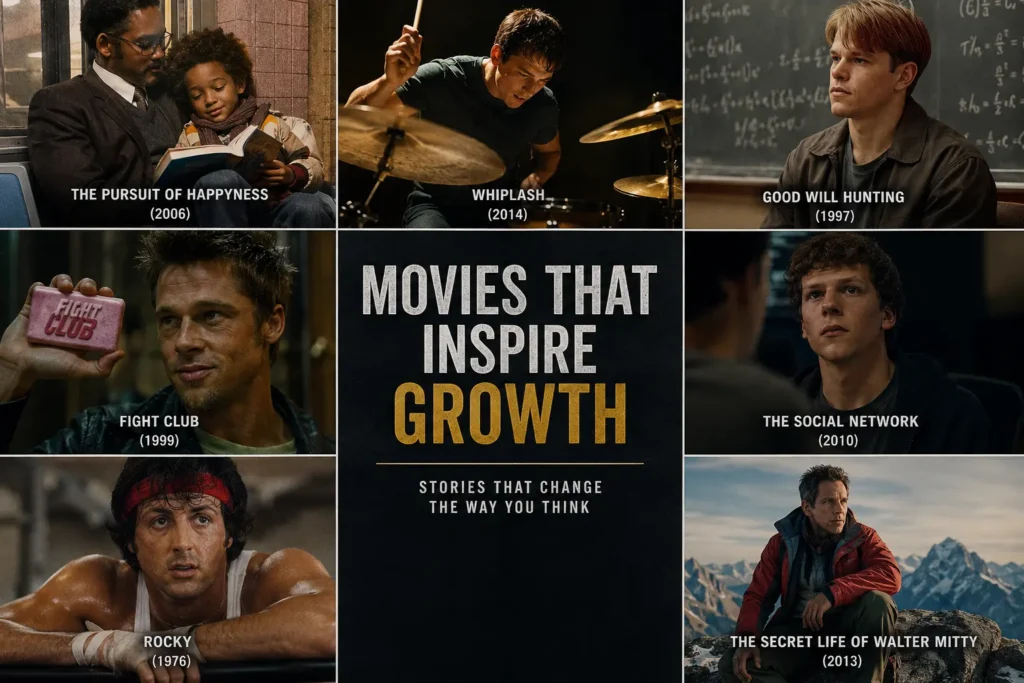
“The Pursuit of Happyness” (2006)
The Pursuit of Happyness became one of the most famous self-improvement movies for a reason. Based on the real story of Chris Gardner, the film explores poverty, rejection, persistence, fatherhood, and long-term ambition.
What makes the movie powerful is that success does not feel glamorous. The main character struggles constantly:
- financially,
- emotionally,
- psychologically.
The story captures how exhausting survival can become when someone tries to improve life while carrying enormous pressure. Personally, I think the film resonates because many people secretly fear failure and instability more than they admit publicly. Watching someone continue despite humiliation and uncertainty feels deeply human.
Source:
“Whiplash” (2014)
Whiplash is probably one of the most intense films ever made about ambition and perfectionism.
The movie follows a young drummer pushed to psychological extremes by a brutal music instructor. What makes the story fascinating is that it never gives easy answers. Instead, it forces viewers to ask difficult questions:
- How far should ambition go?
- Is greatness worth suffering?
- Can obsession destroy happiness?
- Does pressure create excellence or trauma?
Honestly, I think this movie affects ambitious people strongly because many recognize parts of themselves in the obsession for achievement and validation.
The film also exposes something modern culture rarely discusses honestly: success often has psychological costs.
Source:
“Good Will Hunting” (1997)
Good Will Hunting is not really about intelligence. It’s about emotional barriers.
The main character is extremely gifted intellectually, but his trauma, insecurity, fear of vulnerability, and emotional isolation prevent him from building a better life. The movie explores how psychological wounds can quietly limit personal growth even when talent exists.
Honestly, I think many people relate to this film because self-sabotage is incredibly common. Sometimes the biggest obstacle is not lack of ability but fear of change itself.
The conversations between the main character and the therapist remain some of the most emotionally realistic scenes in cinema.
Source:
“Fight Club” (1999)
Many people misunderstand Fight Club because they focus only on the surface-level violence and rebellion. Underneath that, the movie is actually about identity, consumerism, masculinity, emotional emptiness, and modern alienation.
The film critiques a society where people endlessly consume products while feeling psychologically disconnected from meaning and purpose.
Honestly, it feels even more relevant today than when it was released because modern life became even more centered around:
- status,
- appearance,
- consumption,
- online identity,
- validation.
The movie is extreme and chaotic, but beneath that chaos there are surprisingly deep questions about modern life and emotional dissatisfaction.
Source:
“The Social Network” (2010)
The Social Network is often described as a movie about Facebook, but honestly it’s much more about ambition, loneliness, ego, competition, and obsession.
One reason the film feels powerful is because it shows that success and emotional fulfillment are not always connected. The movie constantly contrasts achievement with isolation.
It also captures something important about modern success culture: brilliant ideas alone are not enough. Social intelligence, relationships, timing, and emotional maturity matter too.
Personally, I think the movie becomes more interesting with age because viewers start noticing the emotional emptiness behind the professional success.
Source:
“Rocky” (1976)
Even decades later, Rocky remains one of the strongest films about discipline and resilience.
What makes the story inspiring is not the boxing itself. It’s the psychological transformation. Rocky begins as someone with little confidence, little direction, and limited expectations for life. Over time, effort and self-belief slowly reshape his identity.
Honestly, the movie works because the character feels ordinary. Viewers don’t see a superhero. They see someone struggling with insecurity, failure, and self-doubt.
That realism makes the eventual growth feel emotionally satisfying.
Source:
“The Secret Life of Walter Mitty” (2013)
The Secret Life of Walter Mitty feels very different from most motivational movies because it’s quieter and more emotional.
The story explores fear, routine, missed opportunities, imagination, and the desire to truly experience life instead of only dreaming about it. Many people secretly relate to Walter Mitty because they feel trapped inside repetitive routines while imagining a more meaningful existence.
The movie is visually beautiful, but the emotional message matters more. It encourages viewers to stop endlessly postponing life itself.
Honestly, I think this film affects people especially during periods when they feel emotionally stuck or disconnected from excitement and curiosity.
Source:
Movies Can Change Perspective More Than Motivation
One thing I’ve noticed is that the strongest films rarely create shallow excitement. Instead, they quietly shift perspective.
After certain movies, people begin:
- questioning habits,
- rethinking priorities,
- noticing emotional patterns,
- understanding ambition differently,
- valuing relationships more,
- seeing fear more clearly.
That kind of psychological impact lasts much longer than temporary motivation.
Honestly, I think self-development becomes much more meaningful when it focuses less on “hustle culture” and more on understanding human behavior, emotional health, purpose, and long-term fulfillment.
Entertainment Is Not Always a Waste of Time
Modern productivity culture sometimes treats all entertainment as laziness. I honestly think that mindset is unhealthy.
The real issue is not entertainment itself. The problem is mindless consumption without reflection.
A meaningful movie can sometimes teach more emotional wisdom than dozens of short motivational videos because storytelling affects empathy and self-awareness differently.
Cinema at its best explores:
- fear,
- loneliness,
- ambition,
- discipline,
- identity,
- relationships,
- resilience,
- human psychology.
Those themes are deeply connected to personal growth.
Final Thoughts
The best self-improvement movies are usually not the ones filled with motivational speeches or unrealistic success fantasies. The strongest films explore human struggle honestly while forcing viewers to think more deeply about ambition, fear, discipline, identity, purpose, and emotional growth.
Personally, I think powerful stories matter because they help people feel less alone in their own struggles. Watching characters confront failure, insecurity, pressure, and uncertainty often creates reflection that lasts much longer than temporary inspiration.
And sometimes a single meaningful movie changes the direction of someone’s thinking more than years of endless internet advice ever could.
Written by Garegin
See also:
why discipline matters more than temporary inspiration





Leave feedback about this