

For years, Adrian believed he had already missed his chance.
Whenever he thought about changing careers, learning new skills, improving his health, or starting something meaningful, the same thought immediately appeared in his mind:
“I’m too late.”
By his mid-thirties, many people around him already seemed far ahead. Some had successful businesses, stable careers, families, or financial security. Social media only made the feeling worse. Every scroll became another reminder that other people appeared to be progressing faster than he was.
Eventually, Adrian stopped trying altogether. He convinced himself that starting late automatically meant failing before he even began.
What changed his life was realizing how many people quietly believe the exact same thing.
The Pressure to “Be Ahead” Starts Early
Modern culture creates timelines for almost everything.
People are expected to succeed young, build careers quickly, figure out relationships early, and constantly demonstrate visible progress. Over time, those expectations become deeply internalized.
Adrian barely noticed how much comparison shaped his thinking until it started controlling his decisions. Instead of asking himself what he genuinely wanted, he constantly measured his life against other people’s timelines.
That mindset quietly destroyed his confidence.
Experts at Psychology Today social comparison resources often explain that constant comparison can negatively affect self-esteem, motivation, and emotional wellbeing, especially when people focus only on external appearances of success.
Feeling Behind Is Often an Emotional Illusion
One thing Adrian eventually discovered surprised him. Many of the people he envied were struggling too.
Some felt trapped in careers they no longer enjoyed. Others were emotionally exhausted, financially stressed, or deeply uncertain about their future despite looking successful externally.
That realization changed his perspective. He began understanding that life rarely follows one perfect timeline, even if social media makes it appear that way. Most people are improvising more than they admit.
Why Starting Late Feels Emotionally Difficult
Starting something new later in life creates a specific kind of fear.
People worry about embarrassment, judgment, wasted time, and comparison with younger or more experienced individuals. Adrian felt all of those things constantly whenever he considered making changes.
He imagined failure before progress even had a chance to exist.
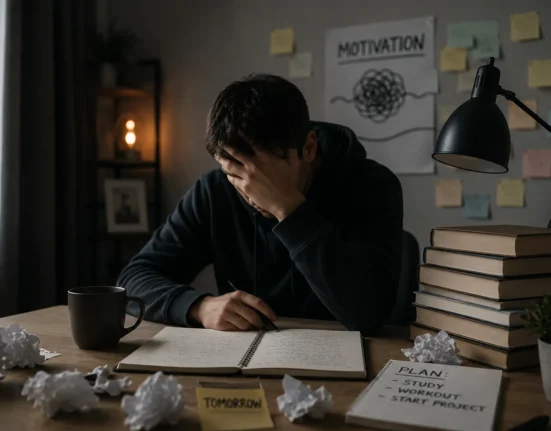
At the same time, remaining stuck became emotionally exhausting. He slowly realized that avoiding discomfort was not protecting him anymore — it was quietly keeping him unhappy.
Regret Often Grows Faster Than Failure
For Adrian, the emotional turning point came after meeting an older man during a professional event. The man casually mentioned that he had completely changed careers in his forties and started over after years of dissatisfaction.
What stayed with Adrian was one sentence:
“You’d be surprised how quickly five years pass whether you act or not.”
That thought followed him for weeks.
He realized time would continue moving forward regardless of whether he stayed afraid. The real question was whether he wanted to arrive years later in exactly the same emotional place.
Experts at Verywell Mind regret psychology resources frequently discuss how people often regret inaction more deeply than imperfect attempts or temporary failure.
Confidence Usually Appears After Action
One of Adrian’s biggest misconceptions was believing confidence should exist before change begins.
In reality, confidence often develops gradually through experience.
The first steps felt uncomfortable. He took courses without feeling fully prepared. He applied for opportunities despite doubting himself constantly. Some things worked. Some did not.
But each action slowly weakened the fear that had emotionally controlled him for years. This shift mattered more than immediate success.
The Internet Distorts Reality
Another important realization came from reducing comparison online. Adrian noticed how easily social media compresses years of effort into polished moments. People usually share achievements, not confusion, setbacks, or uncertainty.
Comparing real life to curated highlights created unrealistic emotional pressure. Once he became more aware of that pattern, he stopped treating other people’s visible progress as proof that he had failed.
Experts at Mind UK self-esteem and mental health resources often emphasize that unrealistic comparison and self-criticism can strongly affect emotional wellbeing and confidence over time.
Progress Became More Important Than Timing
Over time, Adrian stopped obsessing over whether he was “late.” He focused instead on whether he was finally moving.
That mindset created emotional freedom he had not felt in years. Small progress started feeling meaningful again because it was no longer competing against imaginary timelines. Interestingly, once he stopped viewing age as a disadvantage, learning became easier and less emotionally stressful.
Most People Are Not Actually Late
This became one of Adrian’s most important realizations. People often believe they are “behind” simply because they compare their beginning to someone else’s middle. Life paths are rarely linear.
Some people succeed early and struggle later. Others start slowly and build fulfilling lives gradually over time. There is no universal schedule that guarantees happiness or meaning. Understanding this helped Adrian stop treating life like a race he had already lost.
Final Reflection
For years, Adrian believed starting late meant missing his opportunity. Eventually, he realized something much more important: Starting late is still starting. And in many cases, people are not actually afraid of being late — they are afraid of feeling uncertain, inexperienced, or judged while beginning something new.
But time passes either way. The difference is whether people spend those years remaining emotionally stuck or finally allowing themselves to move forward despite the fear.
many people remain emotionally stuck because fear and comparison prevent them from taking action
constant overthinking and fear of failure can quietly delay meaningful life decisions
waiting too long for certainty often creates more regret than imperfect action
Written by Interest Story Editorial Team
We publish personal growth, emotional wellbeing, and self-improvement articles designed to encourage healthier thinking patterns, emotional awareness, and meaningful long-term progress.




Leave feedback about this