

Emma thought she was being careful. Responsible people think before making decisions, she told herself. So she analyzed everything. Messages before sending them. Conversations after they ended. Future plans that had not even happened yet. At first, overthinking felt productive — almost intelligent. She believed constant analysis protected her from mistakes, embarrassment, and failure.
Instead, it slowly trapped her in hesitation, emotional exhaustion, and self-doubt. The strange part was that most people around her had no idea how mentally tired she actually felt. Because overthinking often happens silently.
Overthinking Feels Like Problem-Solving
One reason overthinking becomes addictive is because it creates the illusion of control. The brain believes: “If I think about this enough, I’ll eventually feel certain.” But certainty rarely arrives that way. Instead, thoughts begin looping endlessly without creating real clarity.
Emma noticed this constantly. The more she analyzed situations, the more emotionally confused she became. Simple decisions started feeling emotionally heavy. Even small uncertainties became mentally exhausting.
Experts at Psych Central overthinking resources often explain that repetitive thought patterns can increase stress, anxiety, and emotional fatigue rather than solving problems effectively.
The Difference Between Reflection and Rumination
Healthy reflection helps people understand situations more clearly. Rumination keeps people emotionally stuck inside the same thoughts repeatedly. Emma rarely noticed when reflection turned into rumination. She replayed conversations late at night. Imagined worst-case scenarios constantly.
Mentally rehearsed future problems before they even existed. Instead of helping her feel prepared, those habits slowly increased anxiety.
Why Overthinking Usually Comes From Fear
At its core, overthinking is often emotional self-protection. Fear of rejection. Fear of failure. Fear of making the wrong choice. Fear of uncertainty. Emma realized she was not actually searching for perfect decisions. She was trying to eliminate emotional discomfort completely.
That goal is impossible. Life always contains uncertainty. Trying to mentally control every possible outcome only creates more stress.
The Emotional Exhaustion Nobody Sees
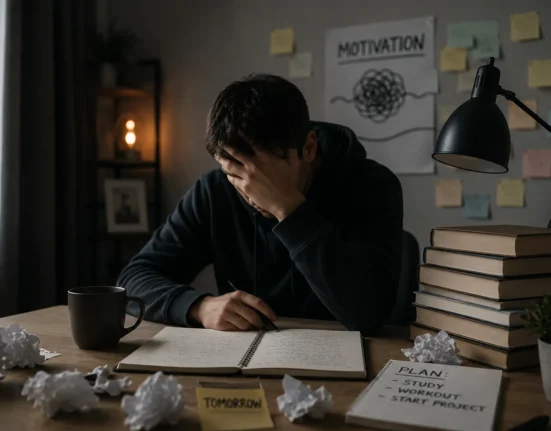
Overthinking drains emotional energy quietly. People may appear calm externally while internally carrying nonstop mental tension. Emma often felt exhausted after doing seemingly nothing. That confused her for years.
Eventually, she realized her brain had been working constantly even during moments that looked like rest.
Mental health specialists at Anxiety and Depression Association of America frequently discuss how chronic worry and repetitive thinking can increase anxiety, stress, and emotional exhaustion over time.
Analysis Became a Form of Avoidance
One of Emma’s biggest realizations came unexpectedly. Sometimes she was not thinking deeply because she wanted clarity. Sometimes she was thinking endlessly because taking action felt emotionally risky. Overthinking delayed decisions. Delayed conversations. Delayed change.
As long as she remained mentally analyzing situations, she could temporarily avoid uncertainty. That realization changed how she viewed her own habits completely.
Perfectionism Quietly Fuels Overthinking
Emma also noticed how perfectionism intensified everything. She expected herself to say the perfect thing. Make the perfect choice.
Avoid mistakes completely. That pressure made ordinary decisions emotionally overwhelming.
Experts at Verywell Mind perfectionism resources often explain that perfectionism and overthinking are closely connected because both involve fear of imperfection and emotional discomfort.
The Internet Makes It Worse
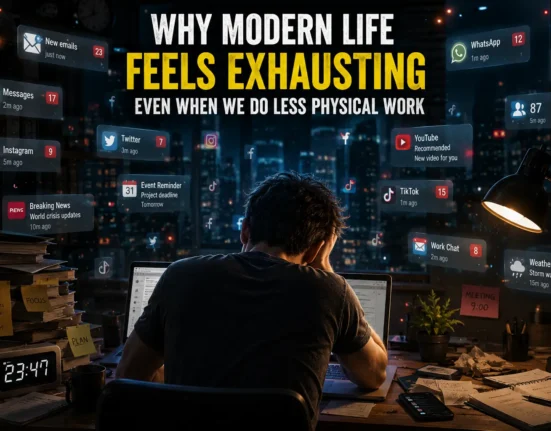
Modern life constantly feeds overthinking. Too much advice. Too many opinions. Too much comparison.
Emma consumed endless content about self-improvement, relationships, productivity, and success. Ironically, all that information made her trust herself less. Instead of listening to her own judgment, she searched endlessly for reassurance online. That habit slowly weakened her confidence.
What Actually Helped
Surprisingly, Emma’s life improved once she stopped trying to eliminate uncertainty completely. Instead of searching endlessly for perfect clarity, she practiced tolerating discomfort. Making smaller decisions faster. Accepting that mistakes were normal.
Reducing constant reassurance-seeking. Most importantly, she stopped assuming every uncomfortable thought required deep analysis. That shift created mental space she had not felt in years.
Why Action Often Creates More Clarity Than Thinking
This became Emma’s most important lesson. Some answers only appear after movement. Not before it. People often expect certainty to arrive first and action second. Real life usually works the opposite way. Action creates experience. Experience creates clarity. And clarity reduces overthinking far more effectively than endless mental analysis ever does.
Experts at Choosing Therapy anxiety and overthinking resources frequently emphasize that healthier coping strategies involve balancing reflection with real-world action instead of remaining trapped in repetitive thought cycles.
Final Reflection
For years, Emma believed overthinking made her more prepared. Eventually, she realized it mostly made her emotionally exhausted. Because thinking deeply is not always wisdom. Sometimes it is fear wearing the disguise of control.
And while reflection can be healthy, life eventually requires something overthinking struggles to tolerate:
Movement despite uncertainty.
constant mental overload can quietly increase emotional exhaustion and reduce focus
fear of uncertainty often prevents people from making important decisions or taking action
many people remain emotionally stuck because they spend more time analyzing change than creating it
Written by Interest Story Editorial Team
We publish emotional wellbeing, personal growth, and mental health articles designed to encourage healthier thinking patterns, awareness, and balanced everyday living.






Leave feedback about this