

At one point, Noah believed productivity meant constant movement. The more goals he chased at the same time, the more successful he thought he would become. So he overloaded his schedule completely. A new business idea. Fitness goals. Online courses. Side projects. Networking. Reading lists. Content creation. Every week began with ambitious plans and intense motivation. Every week ended the same way: Exhaustion, unfinished tasks, and frustration with himself.
At first, Noah blamed discipline. Then motivation. Then time management. Eventually, he realized the real problem was much simpler. He was trying to build ten different lives simultaneously.
Modern Culture Glorifies Constant Hustle
Everywhere Noah looked, people online seemed endlessly productive. Wake up earlier. Optimize every hour. Build multiple income streams. Learn constantly. Never slow down.
At first, that mindset felt inspiring. Over time, however, it became emotionally exhausting. Instead of helping him focus, the pressure to improve everything at once destroyed his ability to focus on anything properly.
Experts at Nir and Far productivity psychology articles often discuss how distraction and overload reduce meaningful focus and long-term consistency. Noah slowly realized he had confused intensity with effectiveness.
Why People Try to Change Everything at Once
There is an emotional reason many people overload themselves. Changing one thing slowly feels emotionally unsatisfying. People want fast transformation. Visible progress. Immediate results. Noah wanted to become healthier, wealthier, more productive, more disciplined, and emotionally balanced all at the same time. The problem was not ambition itself. The problem was unrealistic emotional expectations.
The Hidden Cost of Constant Overcommitment
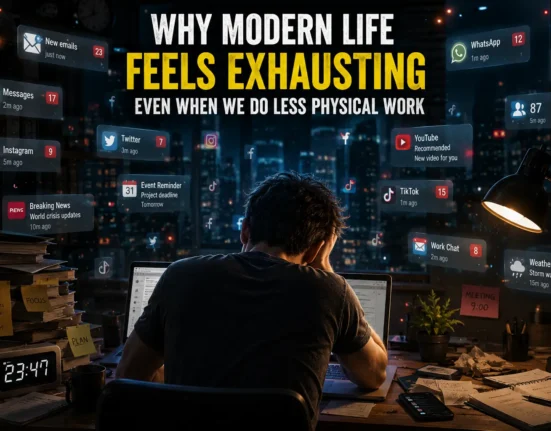
At first, overcommitment feels productive. Eventually, it creates mental chaos. Noah constantly switched between tasks without fully concentrating on any of them. His attention became fragmented. Even moments of rest felt stressful because unfinished responsibilities remained mentally present all the time.
Over time, he stopped enjoying progress completely. Everything started feeling like pressure.
Mental health specialists at MindTools stress and focus resources frequently explain that cognitive overload and unrealistic expectations can negatively affect focus, motivation, and emotional wellbeing.
Burnout Does Not Always Look Dramatic
Noah expected burnout to feel catastrophic. Instead, it felt subtle. Difficulty concentrating. Constant mental fatigue. Loss of excitement. Emotional numbness toward goals he once cared about deeply. That emotional flatness frightened him more than stress itself. Because even success no longer felt emotionally rewarding.
Multitasking Quietly Destroyed His Focus
One of Noah’s biggest mistakes was believing multitasking increased efficiency. In reality, constant task-switching reduced the quality of everything he did. He answered messages while working. Listened to podcasts while planning. Thought about future tasks during current ones. His attention never fully rested anywhere.
Research discussed by Verywell Mind focus and multitasking resources often highlights how multitasking reduces concentration, increases stress, and weakens productivity quality over time.
Noah realized he was spending entire days mentally busy without producing meaningful results.
The Turning Point Came Through Simplicity
Everything changed after one particularly exhausting month. Noah looked at his unfinished goals and realized something uncomfortable: He was making life unnecessarily complicated. So instead of adding more systems, he removed things. Fewer goals. Fewer distractions. Fewer commitments.
At first, simplifying felt strange. Almost irresponsible. But gradually, clarity returned.
Why Focus Creates More Progress Than Intensity
Noah discovered that focused effort produces far more progress than scattered ambition. When attention is divided constantly, emotional energy disappears quickly. Focus, however, allows consistency.
And consistency changes more than occasional bursts of extreme effort ever do. This realization completely changed how he approached personal growth.
Small Wins Started Feeling Meaningful Again
Once Noah reduced the pressure to improve everything simultaneously, progress started feeling emotionally sustainable. He focused on one health habit instead of redesigning his entire life overnight. One project instead of five. One realistic routine instead of perfection. Ironically, slowing down improved his productivity far more than pushing harder ever had.
Experts at Cal Newport Articles frequently discuss how deep focus and reduced distraction improve both performance and emotional wellbeing.
The Psychological Need to “Catch Up”
Part of Noah’s pressure came from comparison. Watching other people online succeed made him feel behind constantly. So he tried compensating through overwork. This is extremely common today.
People consume endless examples of curated success while rarely seeing the emotional exhaustion behind it. That comparison quietly creates unrealistic expectations about how fast life should improve.
Final Reflection
For years, Noah believed success required doing more. More goals. More effort. More pressure. Eventually, he discovered something far more valuable:
Progress often improves when people simplify instead of intensify. Because focus creates momentum. Clarity creates consistency.
And emotional balance matters far more than exhausting yourself trying to become everything at once.
constant mental overload can quietly reduce focus, motivation, and emotional wellbeing
many people remain emotionally exhausted because they try to change too much too quickly
small consistent routines usually create more sustainable growth than extreme bursts of motivation
Written by Interest Story Editorial Team
We publish personal growth, productivity, and emotional wellbeing articles designed to encourage healthier habits, awareness, and sustainable long-term progress.







Leave feedback about this