

I Used to Take Every Failure Personally
For a long time, I treated every bad result as proof that something was wrong with me. If a project failed, if an idea didn’t work, or if I made the wrong decision, I immediately started doubting myself instead of calmly understanding what had actually happened. At the time, I genuinely believed successful people simply avoided mistakes better than everyone else.
Later I realized reality works very differently.
Most people who eventually achieve something meaningful go through enormous amounts of disappointment privately. The difference is not that they avoid setbacks completely. The difference is that they slowly learn how to use painful experiences as information instead of turning them into emotional self-destruction.
Honestly, this realization changed the way I look at growth completely.
The Internet Creates Unrealistic Expectations About Success
Earlier in life, whenever something collapsed, my first instinct was emotional reaction. Sometimes I became angry with myself. Other times I lost motivation entirely and started thinking maybe I simply wasn’t capable enough. The worst part was that one unsuccessful situation often affected my confidence in completely unrelated areas too.
Now, looking back, I understand that the real damage usually came not from the outcome itself but from the interpretation I attached to it.
The internet creates very distorted expectations about progress. People constantly see polished victories, rapid achievements, and stories that look clean and linear from the outside. What almost nobody shows publicly are the years of confusion, hesitation, poor judgment, rejection, and uncertainty happening underneath those outcomes. Because of that, many individuals quietly begin believing that struggling means they are moving in the wrong direction.
I used to think exactly the same way.
Most of My Mistakes Were Emotional
One of the biggest things I discovered over time is that many mistakes are emotional before they are technical. Earlier, I often made rushed decisions because I wanted fast results. Sometimes I ignored obvious warning signs simply because I became too emotionally attached to an idea. In other situations, comparison with other people pushed me toward choices that didn’t even truly fit my own goals.
When people feel insecure, impatient, exhausted, or desperate, clear thinking becomes much harder than they realize.
Research from Harvard Business Review has repeatedly explored how pressure and emotional overload affect judgment, especially during stressful decision-making situations.
Source:
Once I started paying attention to emotional patterns behind my failures, everything became more useful psychologically. Instead of asking, “Why does this always happen to me?” I slowly began asking different questions. What exactly went wrong? Which warning signs did I ignore? Which skills were missing? What would I do differently now?
That shift sounds simple, but honestly it changed everything.
Failure Reveals Weaknesses More Honestly Than Success
I also noticed something uncomfortable: success often hides weaknesses while difficult periods expose them brutally. When things go well, people rarely stop and analyze themselves honestly. But painful outcomes force reflection much more aggressively. They reveal impatience, lack of preparation, unrealistic expectations, weak discipline, or emotional instability in ways success often never does.
At first, this feels humiliating. Later, though, it becomes valuable.
Some of the hardest periods of my life eventually became the periods that improved my thinking most strongly. At the time, I hated those experiences. Looking back now, I can clearly see that they forced me to become calmer, more realistic, and more self-aware.

Repeating the Same Pattern Is the Real Problem
Another thing I slowly understood is that repetition without reflection becomes dangerous. Many people go through the same destructive cycles for years because they never stop long enough to recognize patterns. Someone may repeatedly sabotage relationships, abandon goals too early, waste money emotionally, or chase unrealistic shortcuts while blaming external circumstances every single time.
Without honest reflection, painful experiences simply repeat themselves in different forms.
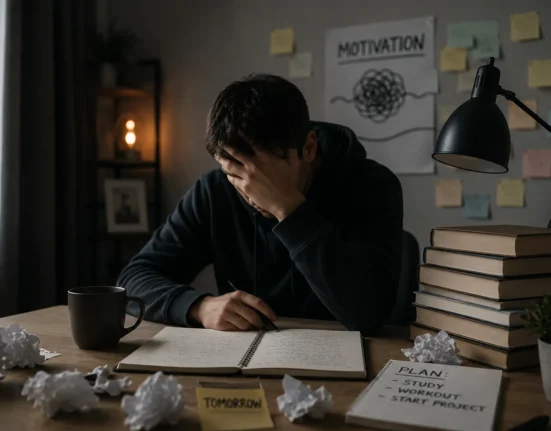
Personally, writing thoughts down helped me more than I expected. Sometimes emotions create so much mental noise that it becomes difficult to think objectively. But once ideas appear clearly on paper, patterns become harder to ignore. I started noticing how often frustration came from unrealistic expectations rather than reality itself.
Timing Matters More Than Most People Think
I also learned that timing matters far more than most people admit publicly. Earlier, whenever something failed, I interpreted it too absolutely. I thought bad results automatically meant the entire direction was wrong. Over time I realized many things fail simply because preparation is incomplete, experience is insufficient, or emotional maturity hasn’t developed enough yet.
That perspective made setbacks feel less final.
Research connected to resilience and long-term achievement from Stanford University frequently emphasizes adaptability and continuous learning rather than perfection.
Source:
Honestly, one of the most important lessons I learned is that painful moments gradually reduce arrogance. Earlier, I sometimes underestimated preparation, patience, or consistency because I wanted rapid progress. Reality repeatedly showed me that meaningful growth usually happens much slower than people expect online.
Failure Helped Me Become More Emotionally Independent
Strangely enough, difficult experiences also helped me become more emotionally independent. Success often brings praise, validation, and attention from others. Bad periods usually create silence instead. At first, that silence feels lonely. Later, it teaches something extremely important: eventually people must build internal stability instead of depending entirely on outside encouragement.
I think many individuals secretly fear failure because they connect it to identity. They believe one bad outcome means they are unintelligent, incapable, untalented, or permanently behind everyone else. But real growth rarely works in such a clean and predictable way. Sometimes the people who appear strongest publicly are simply the ones who learned how to recover more intelligently after setbacks instead of collapsing emotionally every time something went wrong.
Final Thoughts
Now I honestly see painful experiences differently than before. I no longer think the goal is avoiding mistakes completely because that’s unrealistic. The important thing is whether someone becomes more aware, more adaptable, and more emotionally balanced afterward.
Some lessons can only be understood through experience. Advice sounds simple until reality forces someone to confront it personally.
Looking back, I can clearly say that certain unsuccessful moments taught me far more than comfortable periods ever did. Some revealed emotional weaknesses I needed to fix. Others forced me to become more disciplined, more patient, and less impulsive. Many improved my judgment in ways success alone probably never could have.
In the end, I think the most dangerous thing is not failure itself. The real danger is experiencing disappointment repeatedly without learning anything from it. Reflection is what transforms painful situations into something useful instead of meaningless suffering.
Sometimes achievement builds confidence. Difficult periods build understanding. Real maturity usually requires both.
Written by Garegin
While preparing this article, only reliable and publicly available sources were used, including academic studies, university research, and expert publications. At the same time, many of the ideas and conclusions in this piece are also based on personal experience and individual perspective rather than purely scientific interpretation.
See also:
why overthinking often makes difficult situations worse
why discipline matters more than temporary emotional motivation
why many people secretly feel lost while trying to succeed





Leave feedback about this